Calming signals
The polite "please slow down" gestures dogs use to keep the peace.
Lesson 1
What are calming signals?
Dogs have a whole vocabulary for de-escalation. Turid Rugaas named it.
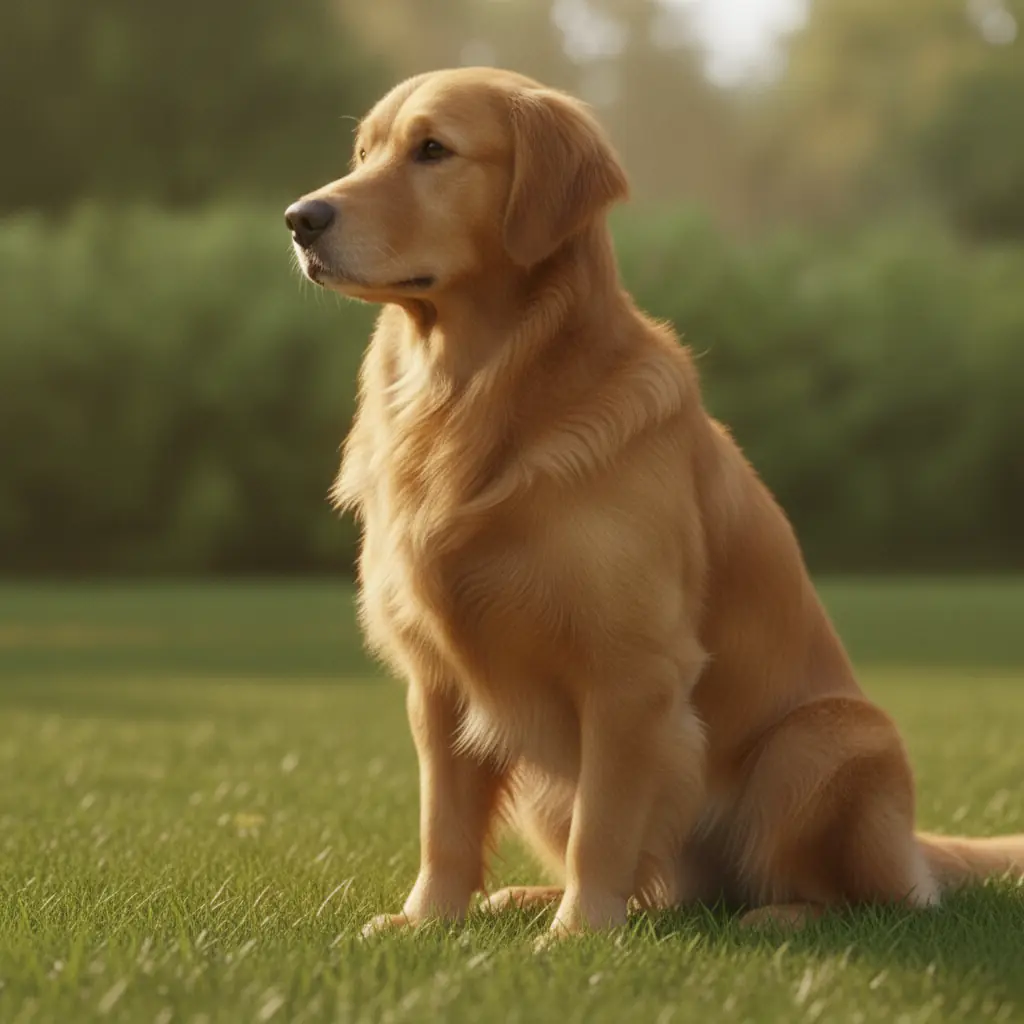
Norwegian trainer Turid Rugaas described roughly 30 signals dogs use to calm themselves and others. They are not commands. They are quiet asks: please slow down, I mean no harm, can we take a breath. Humans often miss these because they are subtle. When you learn to see them, you can respond in kind, and your dog starts to trust that you understand. This chapter covers the six most common ones you will see every day.
Quick check
Calming signals are best described as:
Pick an answer to see why.
Tricks dogs learn.
Not quiteThey are innate, not trained.
Subtle de-escalation gestures that ask for slower or calmer interaction.
CorrectYes. That is the core idea.
Ways of demanding food.
Not quiteThey are not resource requests.
Lesson 2
Turning away
One of the easiest signals to spot once you know it exists.
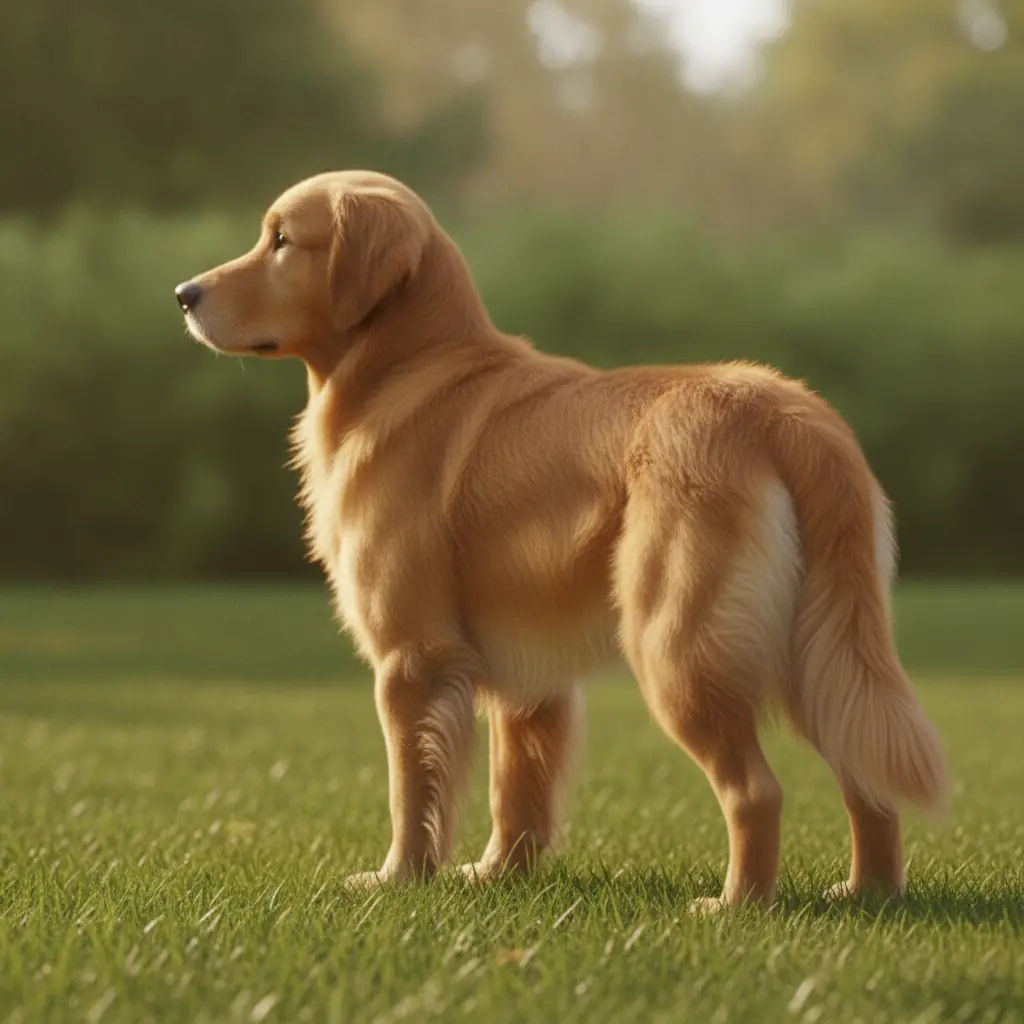
Turning the head, or the whole body, away from something is the dog way of saying, "I am not a threat, please do the same". A dog may turn its head slightly to the side when you bend over it, or turn its whole body when another dog stares too long. It is not avoidance and it is not rudeness. It is courtesy. You can do it too: if a dog feels nervous near you, turn your shoulder a quarter turn away. You will often see the dog relax.
Quick check
A dog turns its head to the side when you lean in. That is:
Pick an answer to see why.
Rude behavior, correct it.
Not quiteIt is polite dog language, not rudeness.
A calming signal asking you to ease up.
CorrectYes. Turning away is classic courtesy.
A sign the dog does not see well.
Not quiteIt is about tension, not vision.
Lesson 3
Sniffing the ground
Suddenly fascinated with the floor? That is sometimes a social signal.
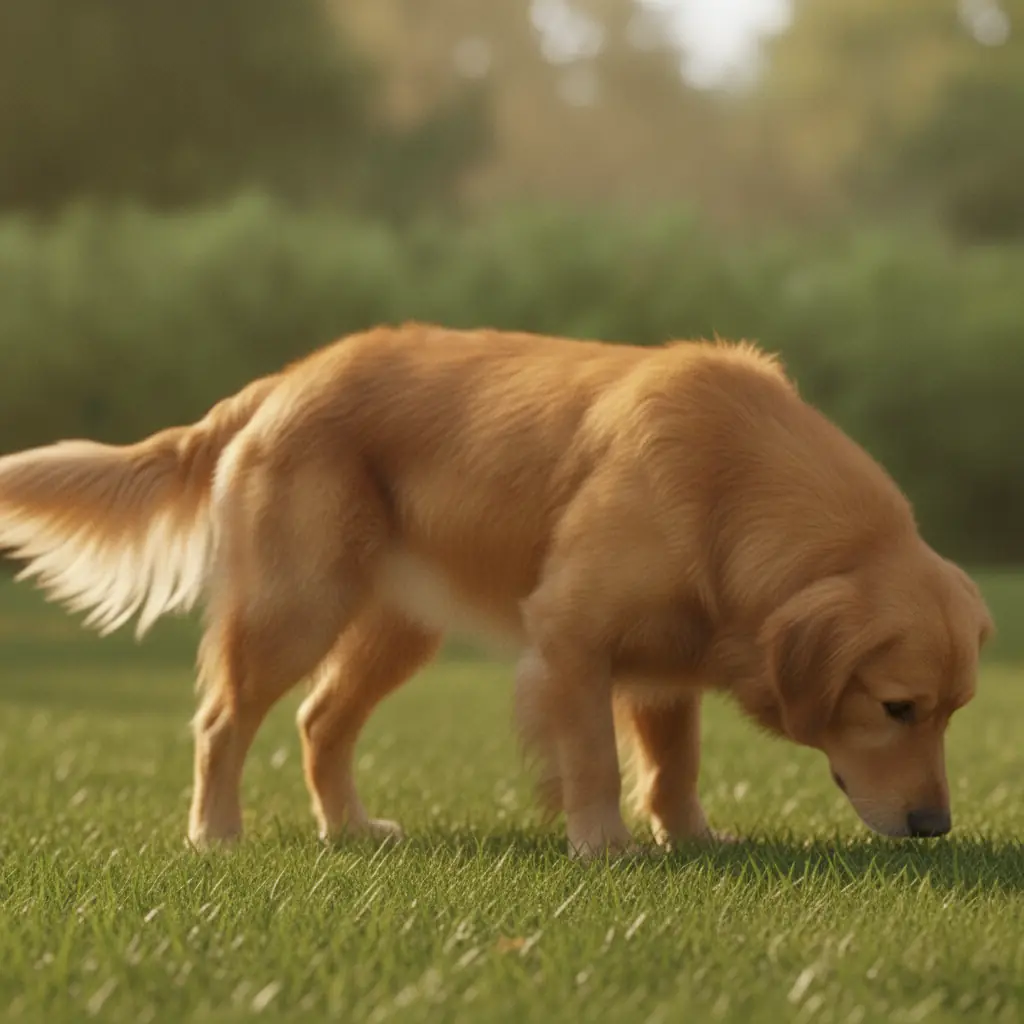
Dogs sniff the ground for a thousand reasons, and most of them are just interesting smells. But when a dog suddenly drops its nose to the grass at a charged social moment, like another dog approaching head-on or an owner raising a stern voice, that sniff is doing double duty. It signals, "I am busy with this patch of grass, please reduce pressure". Context separates a smell break from a social sniff. Watch the timing: social sniffs almost always happen right after a spike in tension.
Quick check
Your dog suddenly sniffs the ground just as another dog walks up stiff-legged. That is most likely:
Pick an answer to see why.
Random sniffing, nothing to see.
Not quiteTiming this precise is usually social.
A calming signal de-escalating the moment.
CorrectYes. A well-timed sniff lowers the temperature.
Hunger.
Not quiteIt is not about food.
Lesson 4
Slow movement
A dog that slows right down is often asking everyone else to slow down too.
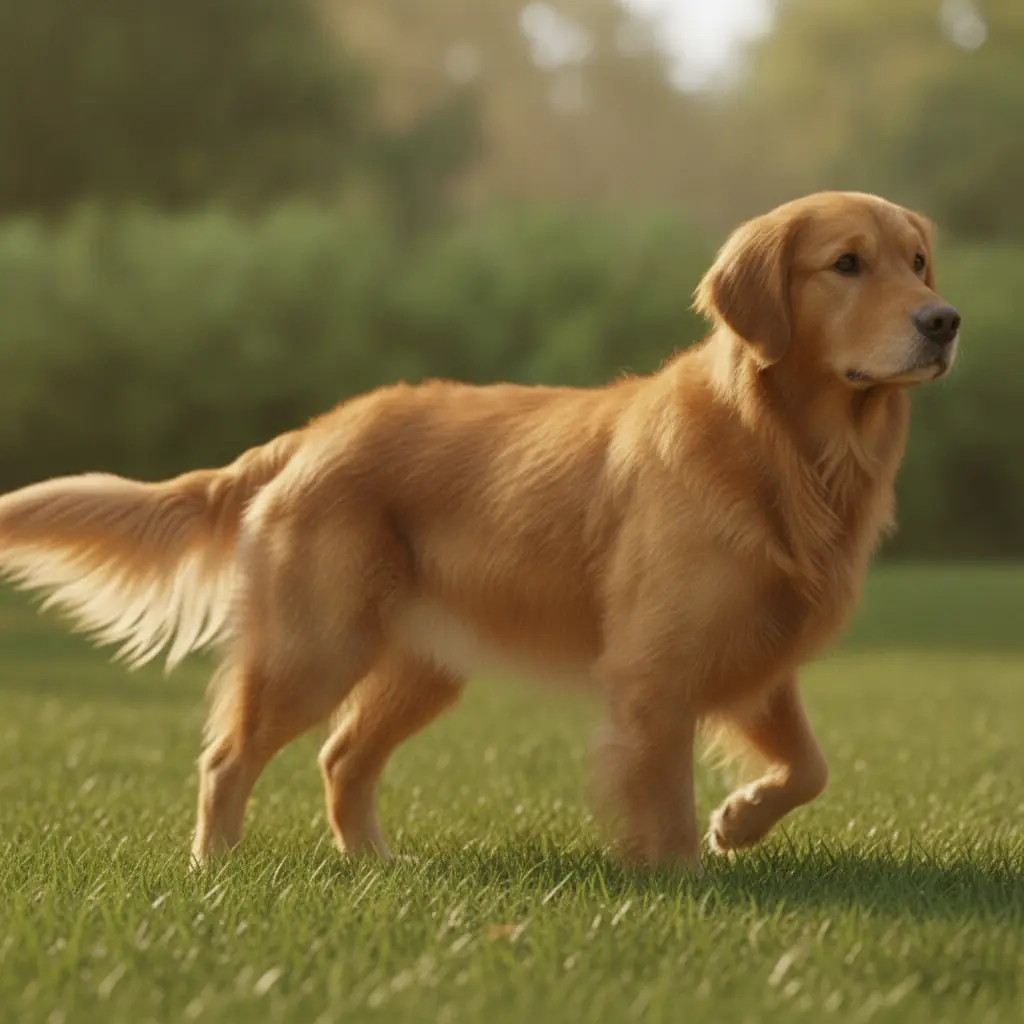
When a dog deliberately moves slowly, especially in an approach, it is sending a de-escalation cue. The message is, "I am not rushing at you, please do not rush at me". You will see this in the first few steps of a greeting between unfamiliar dogs, in a dog walking past a tense dog in the park, or in a dog approaching a crying child. Match the energy. If the dog slows, you slow. Suddenly speeding up the interaction undoes the work the dog is doing.
Quick check
An unfamiliar dog walks toward you very slowly, body loose. Best response:
Pick an answer to see why.
Stay calm and slow your own movements too.
CorrectYes. Match the energy the dog is offering.
Run toward the dog to meet it faster.
Not quiteThat undoes the calming approach.
Shout a greeting.
Not quiteLoud sudden sounds spike tension.
Lesson 5
Blinking and soft eyes
Exaggerated blinks can be a quiet way to say, "let us both calm down".
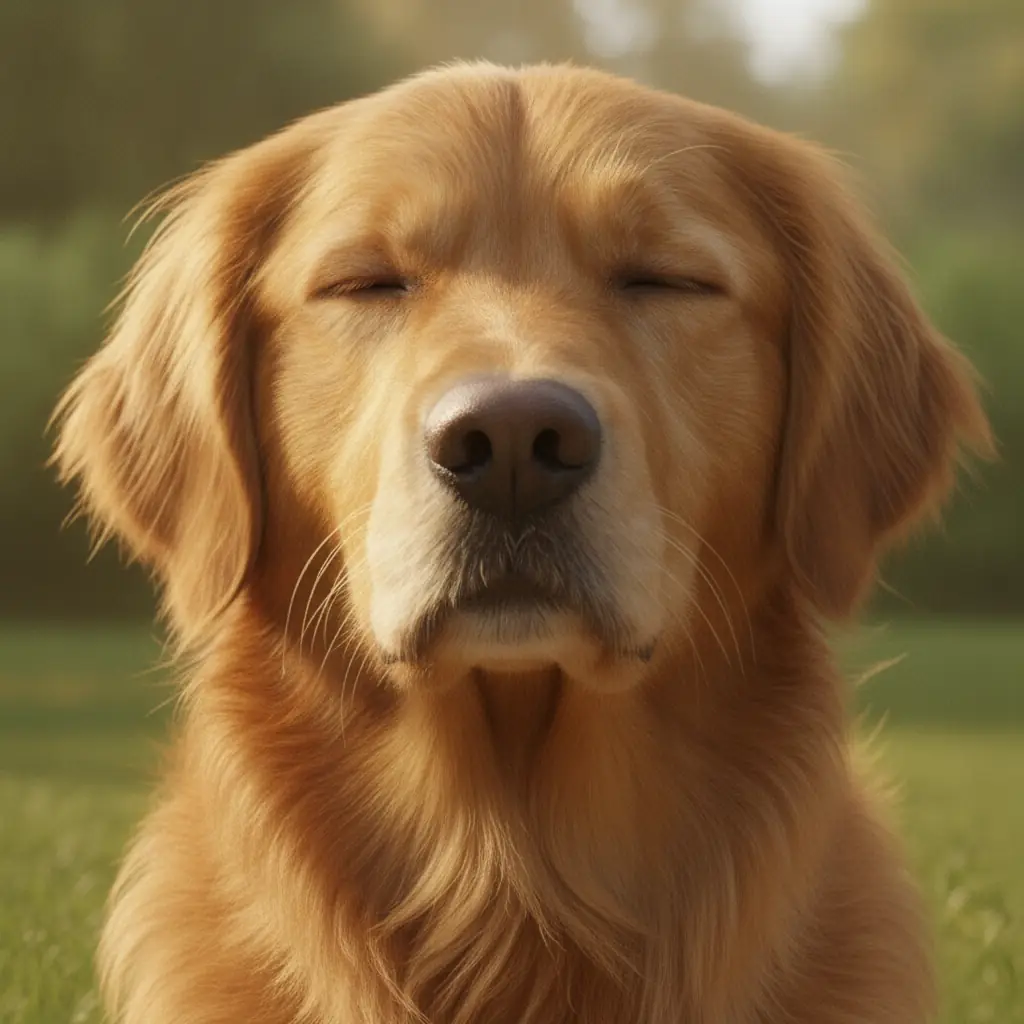
Normal blinks barely register. A slow, deliberate blink in a charged moment is a calming signal. It often comes with softly squinted eyes and a slightly lowered head. Offering a slow blink back, with your own soft face, is one of the few human-to-dog gestures that many dogs seem to pick up on. Try it with a dog you know well. Lower your blink rate, relax your face, and watch the dog often exhale and soften in return.
Quick check
A dog gives you a slow, deliberate blink with soft eyes. A good response is:
Pick an answer to see why.
Open your eyes as wide as you can.
Not quiteWide eyes read as a stare, the opposite of calming.
Offer a slow blink back with a relaxed face.
CorrectYes. It is one of the clearest two-way signals.
Look away completely and ignore the dog.
Not quiteIgnoring can also work, but blinking back is a warmer reply.
Lesson 6
Curving as a calming signal
We met curving in the posture chapter. Here it is again, as a calming signal.
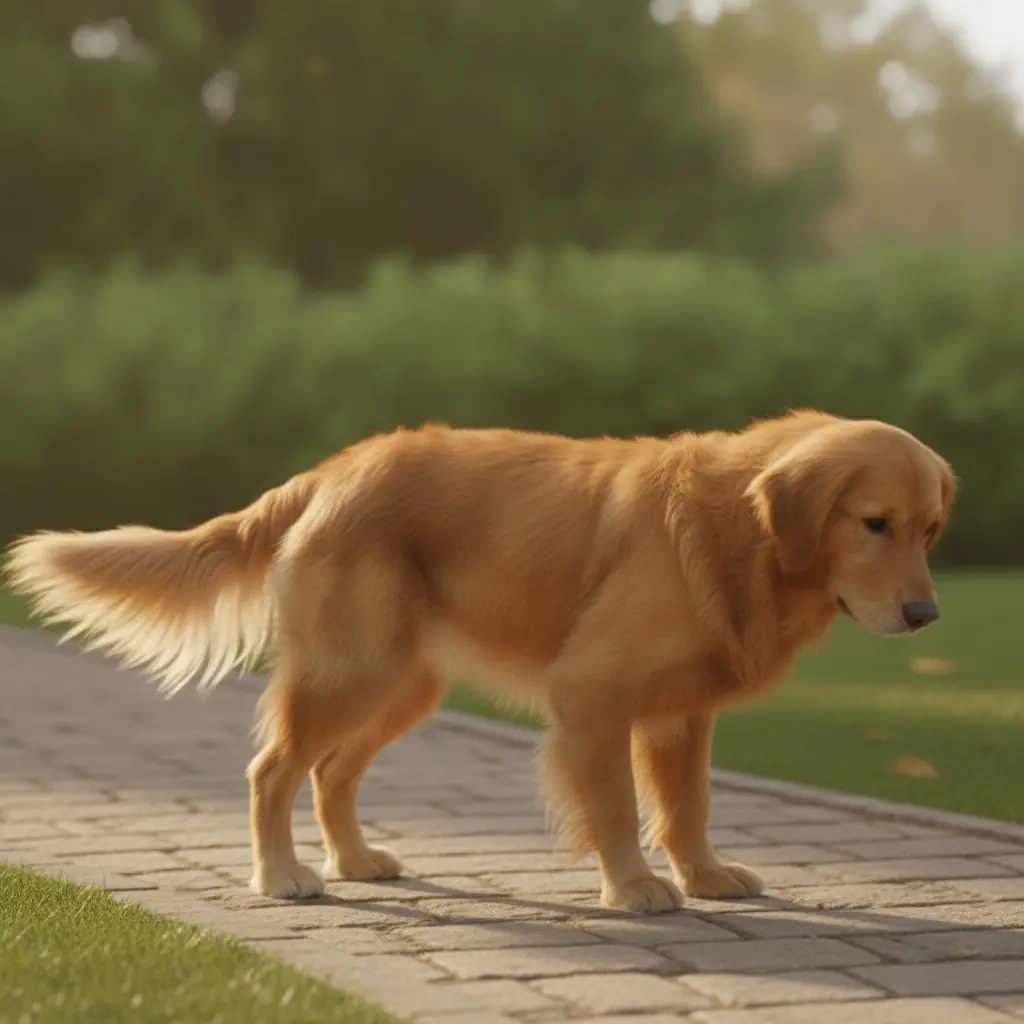
Curving appeared earlier as the polite way to greet. It is also a calming signal, one a dog will deliberately offer when it feels pressure. If a dog arcs wide around you on a walk, it is not avoiding you, it is politely managing distance. Respect the curve. Do not pull your dog onto the line of the other. Give the other dog its bow shape. Calming signals are two-way. Offering one back, by stepping off the line yourself, is often the best thing you can do.
Quick check
An unfamiliar dog arcs wide around you on a narrow path. You should:
Pick an answer to see why.
Step aside to give the dog its curve.
CorrectYes. Respecting the arc is the polite response.
Step into the dog's path to say hi.
Not quiteThat overrides the dog's polite request for space.
Call the dog over to you.
Not quiteNot your call to make with an unfamiliar dog.
See it on your own pet
Point Pawfect at your dog or cat and it picks out the tails, ears, eyes and postures from these guides, then plays them back as a playful caption you can keep.
Where this comes from
Dogish 101 is the short body-language course inside the Pawfect app. Its lessons are written in plain words and draw on published work including:
- Turid Rugaas, On Talking Terms with Dogs: Calming Signals
- Patricia McConnell, The Other End of the Leash
- Sophia Yin, Body language posters (drsophiayin.com)
- AVSAB, Position statements on canine behavior
- AKC and ASPCA, Public body-language articles
- Kendal Shepherd, The Canine Ladder of Aggression
- Fear Free Pets / Karen Pryor Academy, Applied behavior material
- Quaranta, Siniscalchi and Vallortigara, Asymmetric tail-wagging responses by dogs to different emotive stimuli (2007)
For serious or ongoing concerns, please consult a certified veterinary behaviorist. No online course replaces a qualified professional.
The illustrations are AI-generated artwork made for the Dogish 101 course.