The stress ladder
How stress escalates, and how to step in before it reaches the top.
Lesson 1
Why a ladder?
Kendal Shepherd drew a picture of how dogs escalate. It changed how we read behavior.
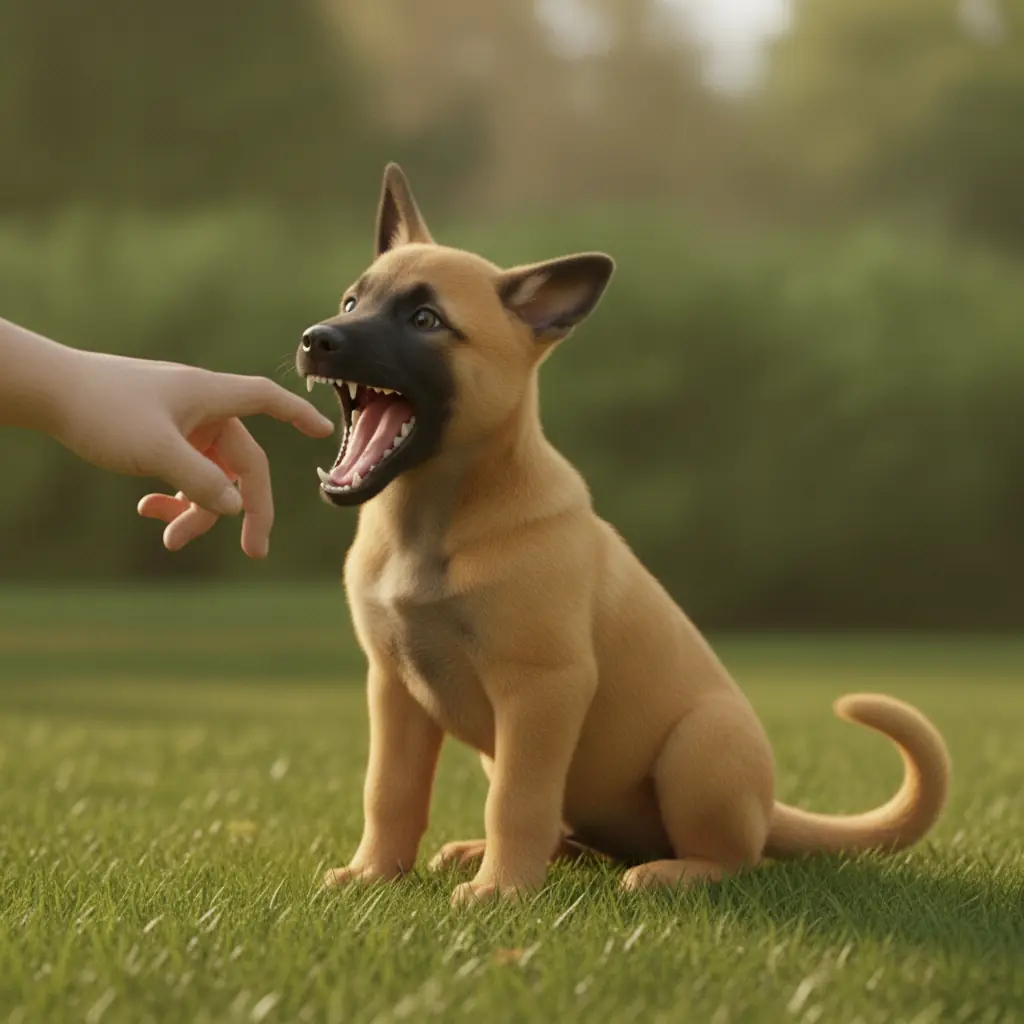
In 2002, veterinary behaviorist Kendal Shepherd published a drawing showing how dogs escalate under pressure. At the bottom are tiny signals: yawning, lip licks, turning away. Higher up come walking away, crouching, and tail tucking. Higher still come stiffening and growling. At the top sit snapping and biting. The ladder reminds us that a bite is almost never out of the blue. The dog was climbing for a while. If we step in at the bottom rungs, we almost never meet the top.
Quick check
According to Kendal Shepherd's ladder, a bite is usually:
Pick an answer to see why.
Out of the blue.
Not quiteBites almost always follow earlier, ignored signals.
The top of a ladder the dog climbed through smaller signals.
CorrectYes. That is the core insight.
Proof the dog is broken.
Not quiteIt is communication, not a defect.
Lesson 2
The bottom rungs
Yawning, lip licking, blinking, and head turns are your first early warnings.
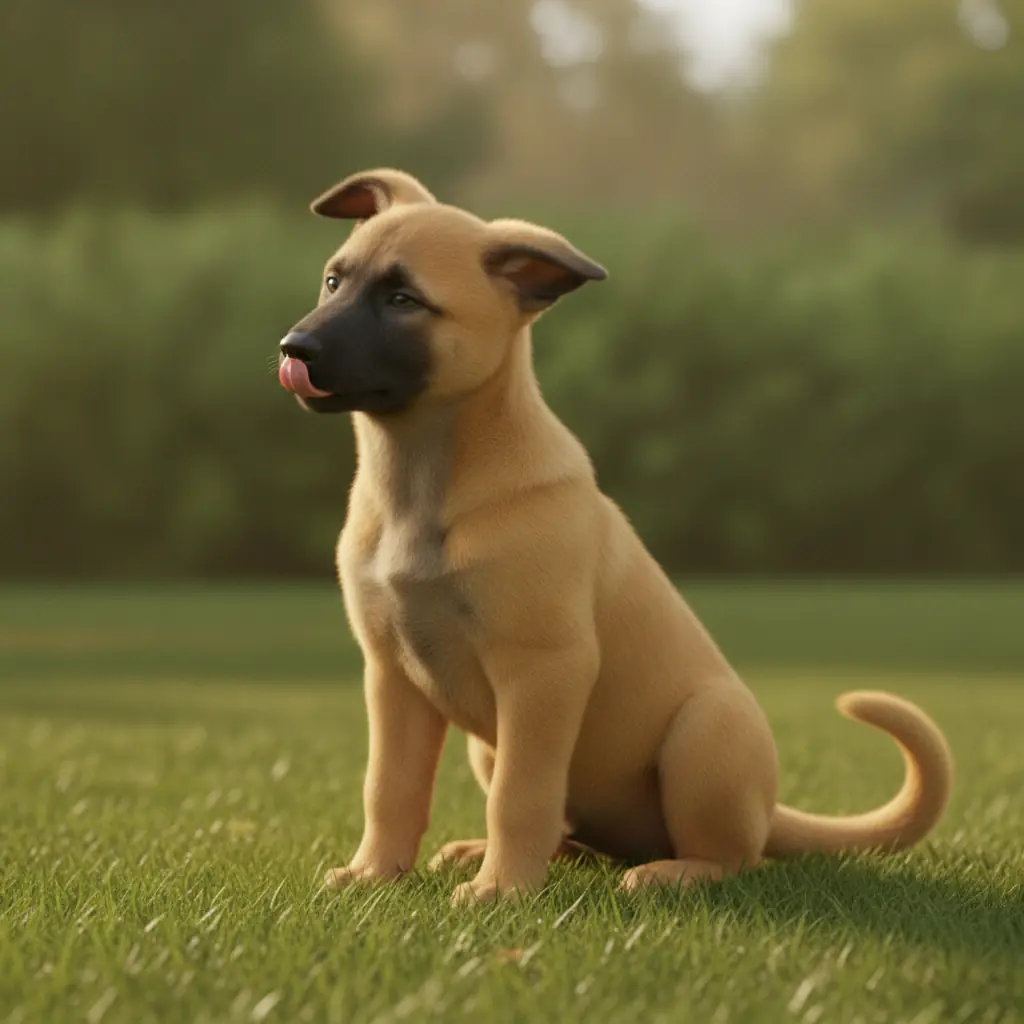
The lowest rungs are the calming signals you already met. They look small. Most people miss them entirely. When they happen once, they are easy to brush off. When they happen in clusters, the dog is asking for change. If a child is hugging a dog and you notice three lip licks and a yawn in under a minute, the dog is not loving it. Step in early. This is the least costly place to intervene, for both you and the dog.
Quick check
A kid hugs the family dog. In one minute the dog licks its lips three times and yawns. What should you do?
Pick an answer to see why.
Nothing, the dog is relaxing.
Not quiteClusters of lip licks and yawns in a hug are stress, not comfort.
Gently end the hug and redirect the kid.
CorrectYes. Intervene at the bottom rung.
Tell the kid to squeeze harder.
Not quiteThat is a fast path up the ladder.
Lesson 3
The middle rungs
Turning away, walking away, and tail tucking say "please stop" more clearly.
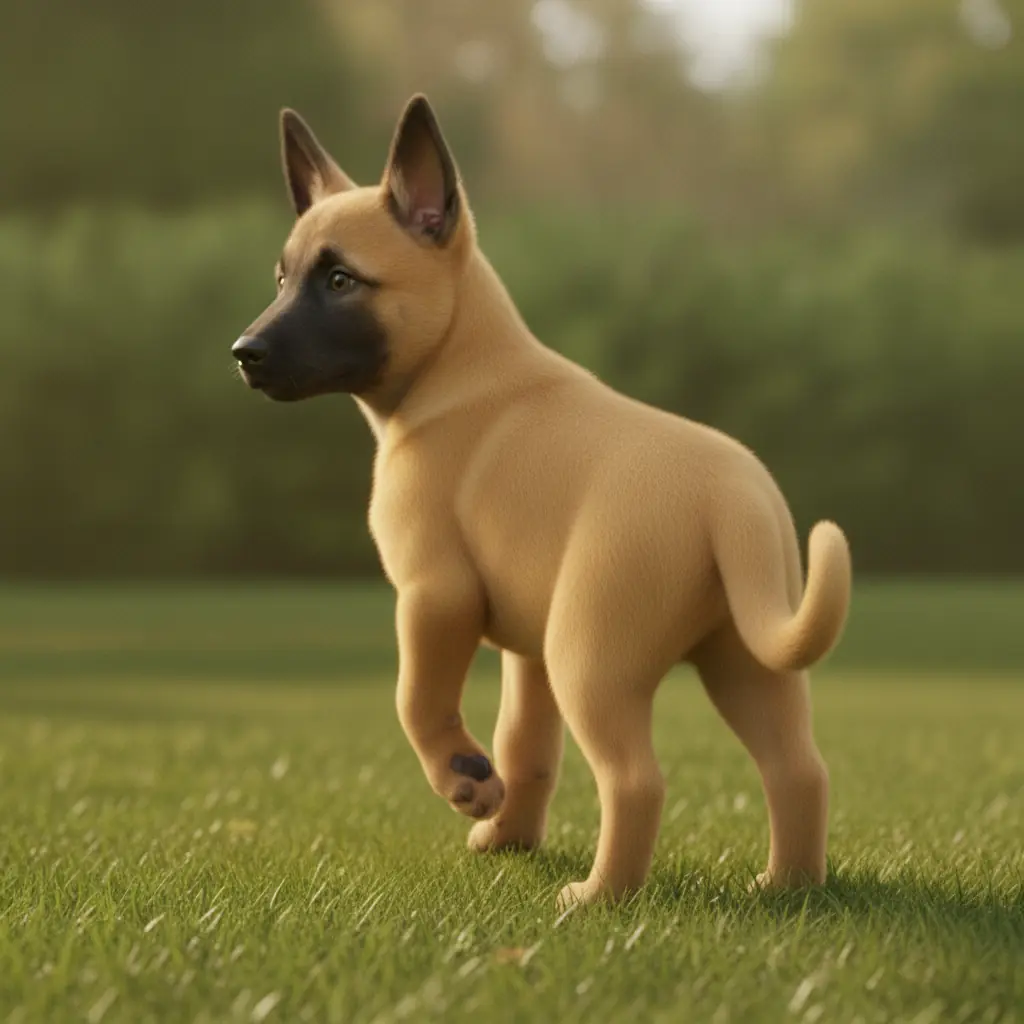
As pressure rises, the dog's asks get bigger. Turning the head becomes turning the body. Turning the body becomes walking away. Tail drop becomes tail tuck. If you see a dog walking away from a situation, let it go. Following the dog, or dragging it back, is how bottom-rung signals become top-rung ones. Middle rungs are the "please, really, stop" rungs. They are still peaceful. They are also the last peaceful ones.
Quick check
Your dog walks away from a petting session. The right move is:
Pick an answer to see why.
Let the dog go and try again later if the dog reinvites.
CorrectYes. Walking away is a clear please-stop.
Follow and keep petting.
Not quiteThat overrides the dog's request and climbs the ladder.
Scold the dog for leaving.
Not quitePunishing a polite no erodes trust.
Lesson 4
The top rungs
Freezing, stiffening, growling, snapping, biting. Past this point, safety comes first.
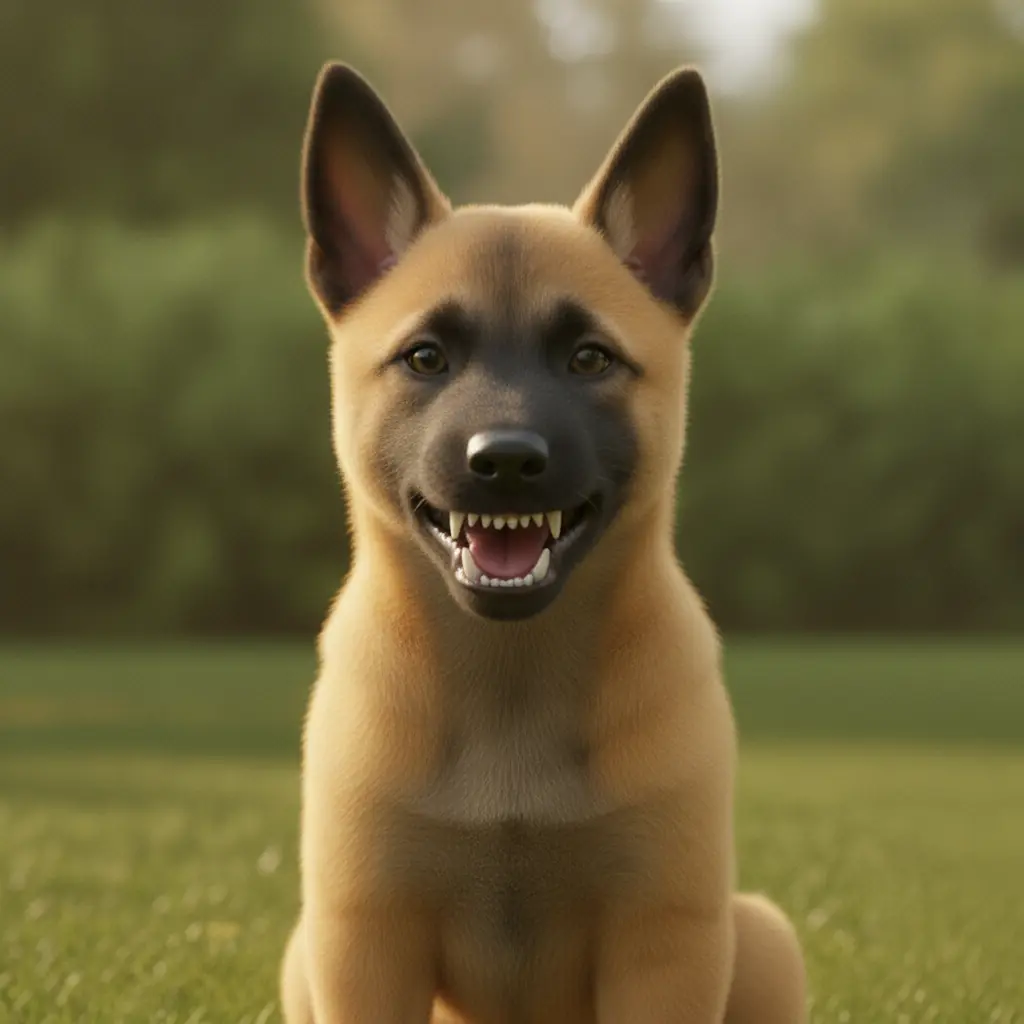
At the top of the ladder, the dog has run out of polite asks. Freezing, stiffening, growling, air-snapping, and biting are all the same message, louder each time: "I tried everything else". If you reach this point, safety is the only priority. Create space, remove the trigger, and do not punish the signal. A growl is a gift. It is the dog saying, "we are very close to the top, please help". Schedule a visit with a certified veterinary behaviorist if this happens more than once.
Quick check
Your dog growls at you when you approach its food bowl. The best response is:
Pick an answer to see why.
Yell at the dog to stop.
Not quitePunishing a growl silences the warning, not the feeling.
Back off, stay safe, and book a certified behaviorist.
CorrectYes. Respect the signal and get professional help.
Grab the food bowl.
Not quiteThat is a fast path to a bite.
Lesson 5
Climbing back down
The goal is not to shut down signals. It is to remove the reason the dog is climbing.
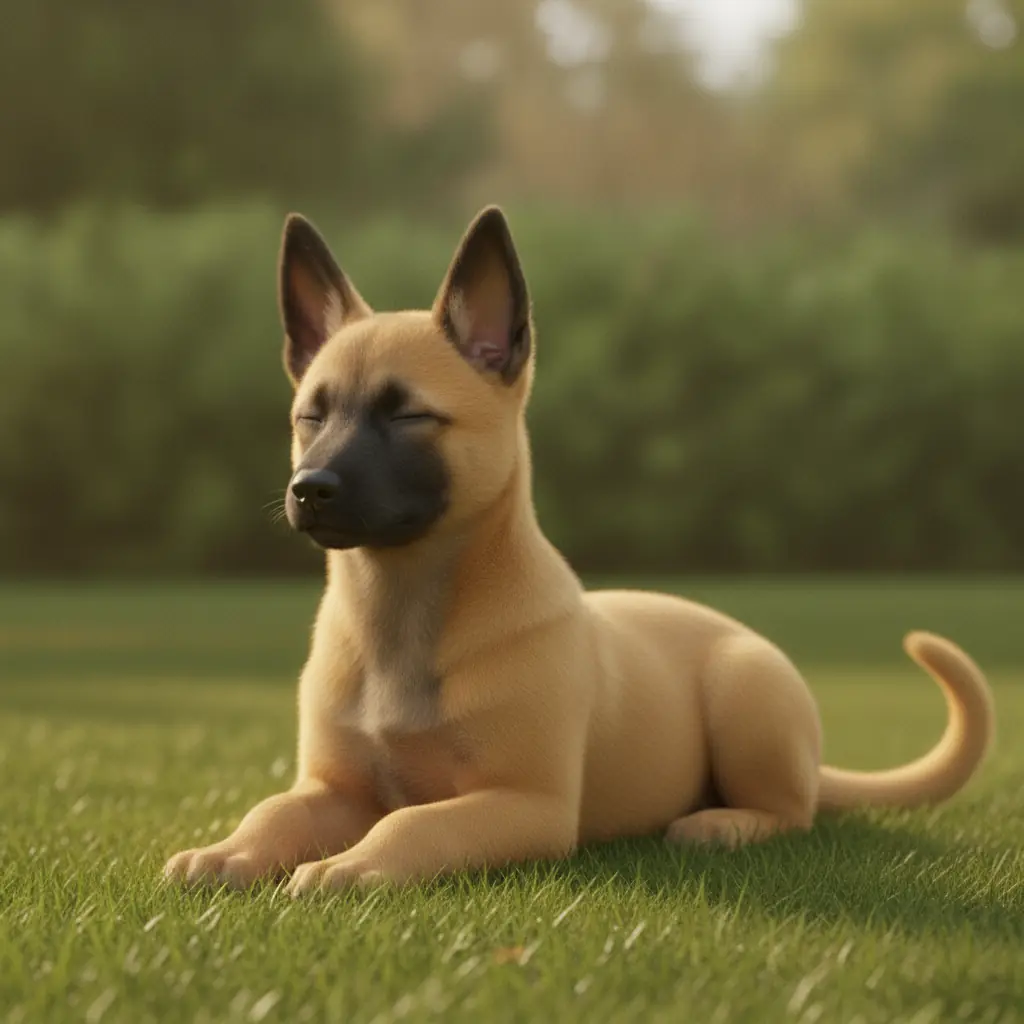
Every rung of the ladder is information. If you see a dog high on the ladder, your job is not to correct the dog. It is to change the picture: create distance, remove pressure, give a break. When you do that well, the dog descends. You will see mouth soften, eyes blink, shoulders loosen. That descent is proof that the dog trusts your read of the room. Over time, practicing this is how dogs stop feeling like they need the ladder at all.
Quick check
A dog is stiff and staring. You create distance. The mouth softens and the eyes blink. That means:
Pick an answer to see why.
The dog is descending the ladder. Your move worked.
CorrectYes. That is what a descent looks like.
The dog is about to lunge.
Not quiteSoftening is the opposite of lunging.
Nothing changed.
Not quiteSoftening is a real, readable change.
See it on your own pet
Point Pawfect at your dog or cat and it picks out the tails, ears, eyes and postures from these guides, then plays them back as a playful caption you can keep.
Where this comes from
Dogish 101 is the short body-language course inside the Pawfect app. Its lessons are written in plain words and draw on published work including:
- Turid Rugaas, On Talking Terms with Dogs: Calming Signals
- Patricia McConnell, The Other End of the Leash
- Sophia Yin, Body language posters (drsophiayin.com)
- AVSAB, Position statements on canine behavior
- AKC and ASPCA, Public body-language articles
- Kendal Shepherd, The Canine Ladder of Aggression
- Fear Free Pets / Karen Pryor Academy, Applied behavior material
- Quaranta, Siniscalchi and Vallortigara, Asymmetric tail-wagging responses by dogs to different emotive stimuli (2007)
For serious or ongoing concerns, please consult a certified veterinary behaviorist. No online course replaces a qualified professional.
The illustrations are AI-generated artwork made for the Dogish 101 course.