Eyes, face, mouth
The face carries the loudest stress signals once you can read them.
Lesson 1
Soft eyes vs hard eyes
Relaxed dogs squint a little. Stressed dogs tend to stare.
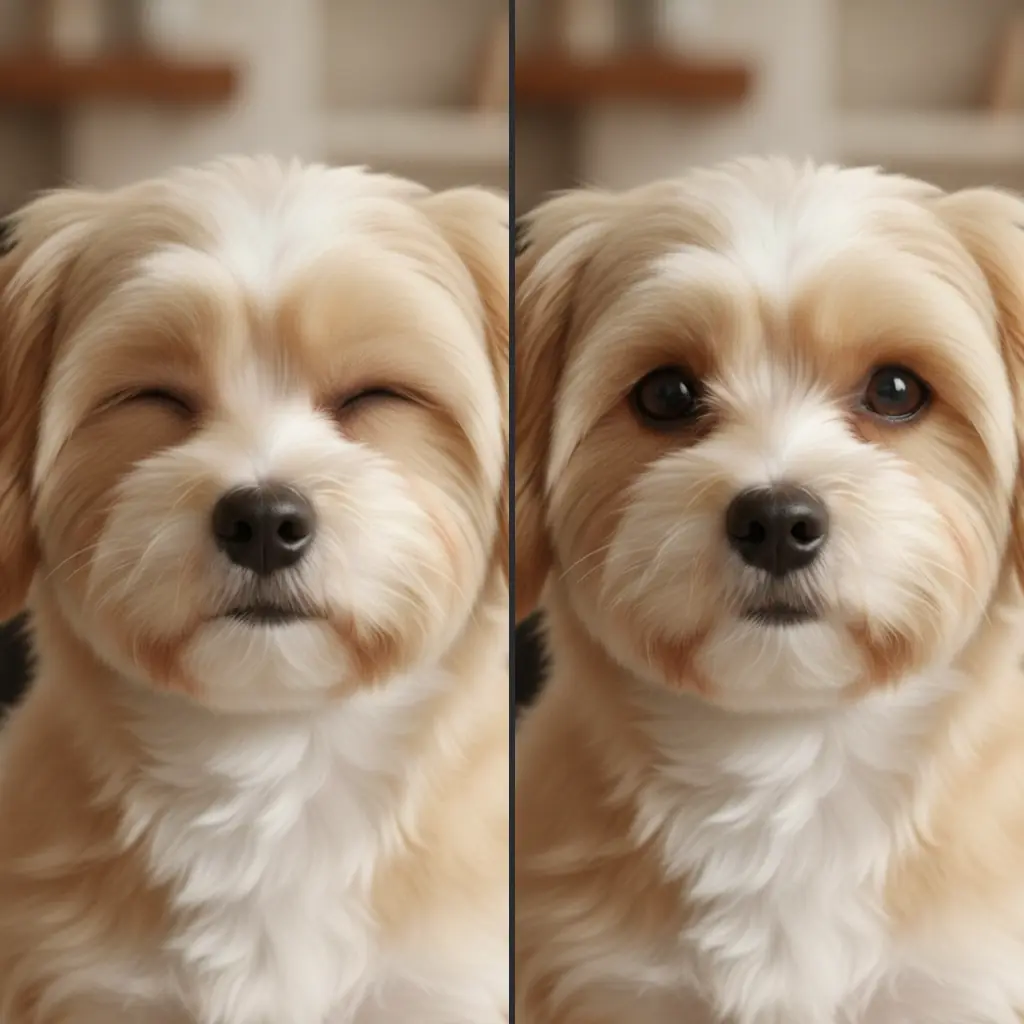
A soft eye is slightly squinted, the lids relaxed, blinking normally. It says, "all is well". A hard eye is wide, lids pulled back, no blinking, pupils often large. A hard stare directed at a person or another dog is a serious warning. It usually comes bundled with a still body and a closed mouth. If a dog you do not know gives you a hard stare, the best response is to slow down, avoid leaning in, and give the dog room to choose.
Quick check
A dog is standing still, staring at you without blinking, eyes wide. Best response:
Pick an answer to see why.
Step closer and reach for the head.
Not quiteThat often provokes a bite. Step back instead.
Slow down, avoid eye contact, give space.
CorrectYes. Hard stare is a serious warning.
Stare back longer to show you are confident.
Not quiteStaring contests with unknown dogs are never a good idea.
Lesson 2
Whale eye
When you can see the whites of a dog's eyes in a crescent shape, pay attention.
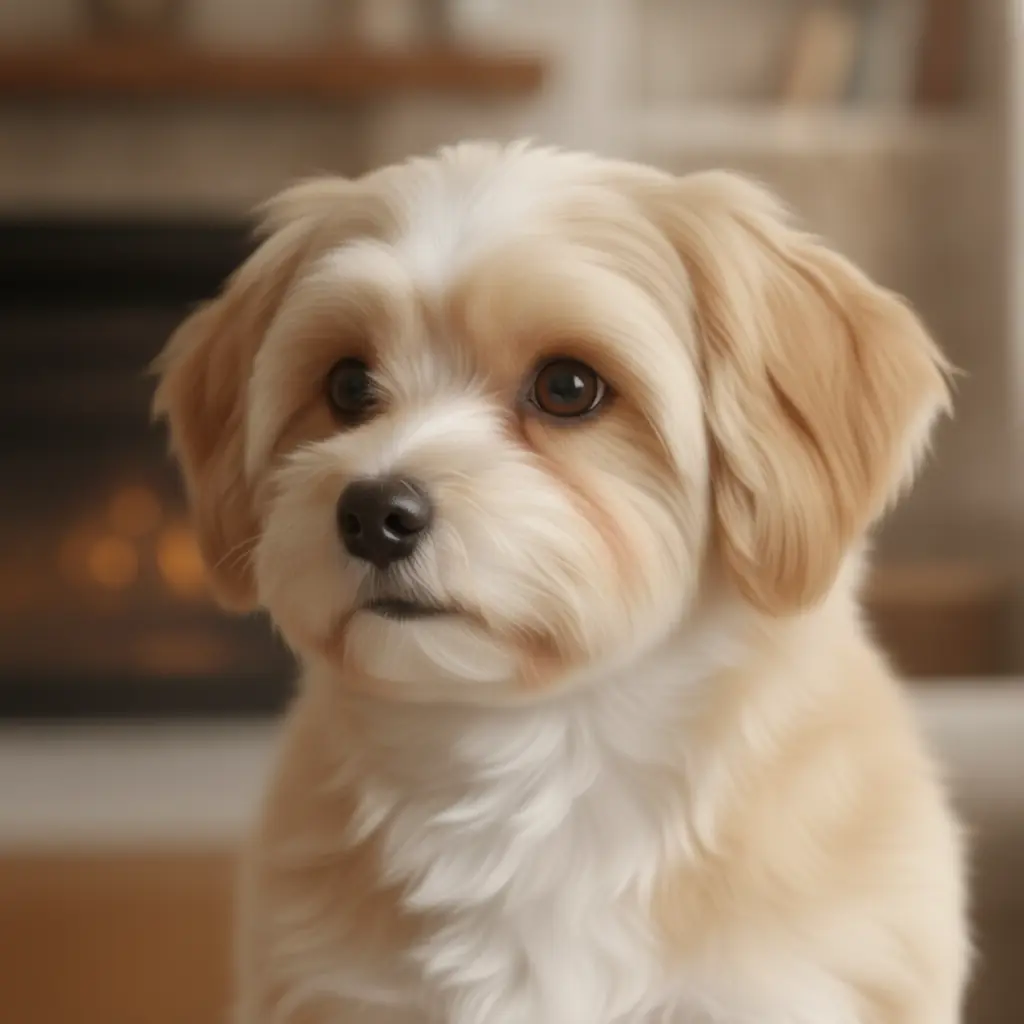
Whale eye, sometimes called half-moon eye, happens when a dog turns its head away from something but keeps its gaze locked on it. The result is a crescent of visible white at the inner or outer corner of the eye. It tells you the dog is uncomfortable enough that it wants distance, but is still tracking the thing that worries it. A classic trigger is a child hugging the dog around the neck: the dog leans away, eyes whale-eye to the side. That is a please-stop signal, not a cute photo.
Quick check
A dog in a hug shows a visible white crescent in its eye. You should:
Pick an answer to see why.
Take a photo, it is adorable.
Not quiteThat signal is a warning, not a smile.
End the hug gently and give the dog space.
CorrectYes. Whale eye often precedes a bite.
Hug tighter so the dog learns to tolerate it.
Not quiteForcing tolerance breaks trust and can trigger a bite.
Lesson 3
Lip licks and yawns
These small signals are often stress, not hunger or sleepiness.
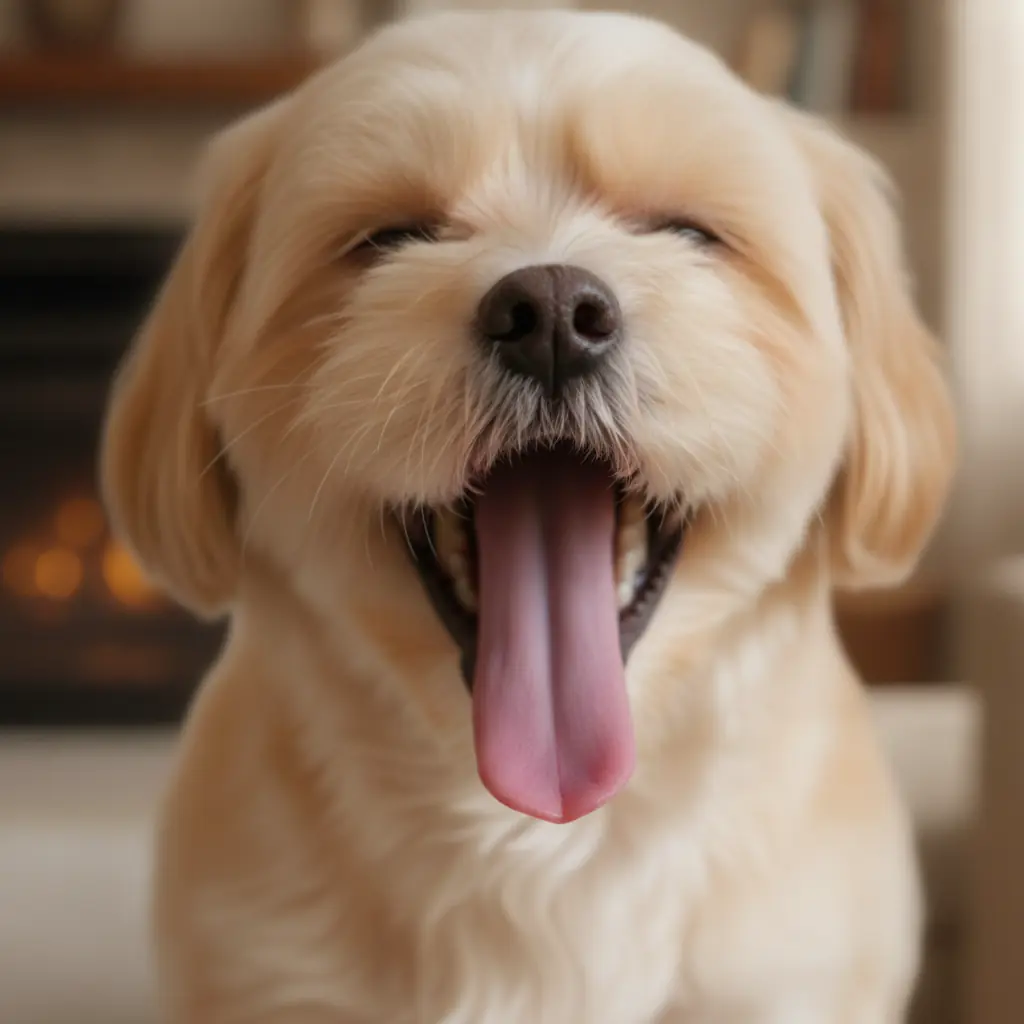
A quick tongue flick that shoots out and up over the nose, then retracts, is a classic calming signal. So is a wide yawn in a context that does not fit sleepiness, like sitting in a busy waiting room. Both help the dog self-soothe and also signal to others, "let us slow down". A single lick after a meal is not a signal. A lick with no food around, often repeated, during a stressful moment, is. Same goes for yawns: one after a nap is just a yawn, three in a row while a stranger bends over the dog is a message.
Quick check
A stranger bends over a dog, and the dog does three quick lip licks. What is it saying?
Pick an answer to see why.
I am hungry.
Not quiteRepeated licks with no food are almost never about hunger.
I am uncomfortable, please back up.
CorrectYes. That is a calming signal and a small please-stop.
I am fine, come closer.
Not quiteLip licks in that context are the opposite of an invitation.
Lesson 4
Panting: hot or stressed?
Dogs pant for heat. They also pant when scared. Shape and rhythm tell them apart.
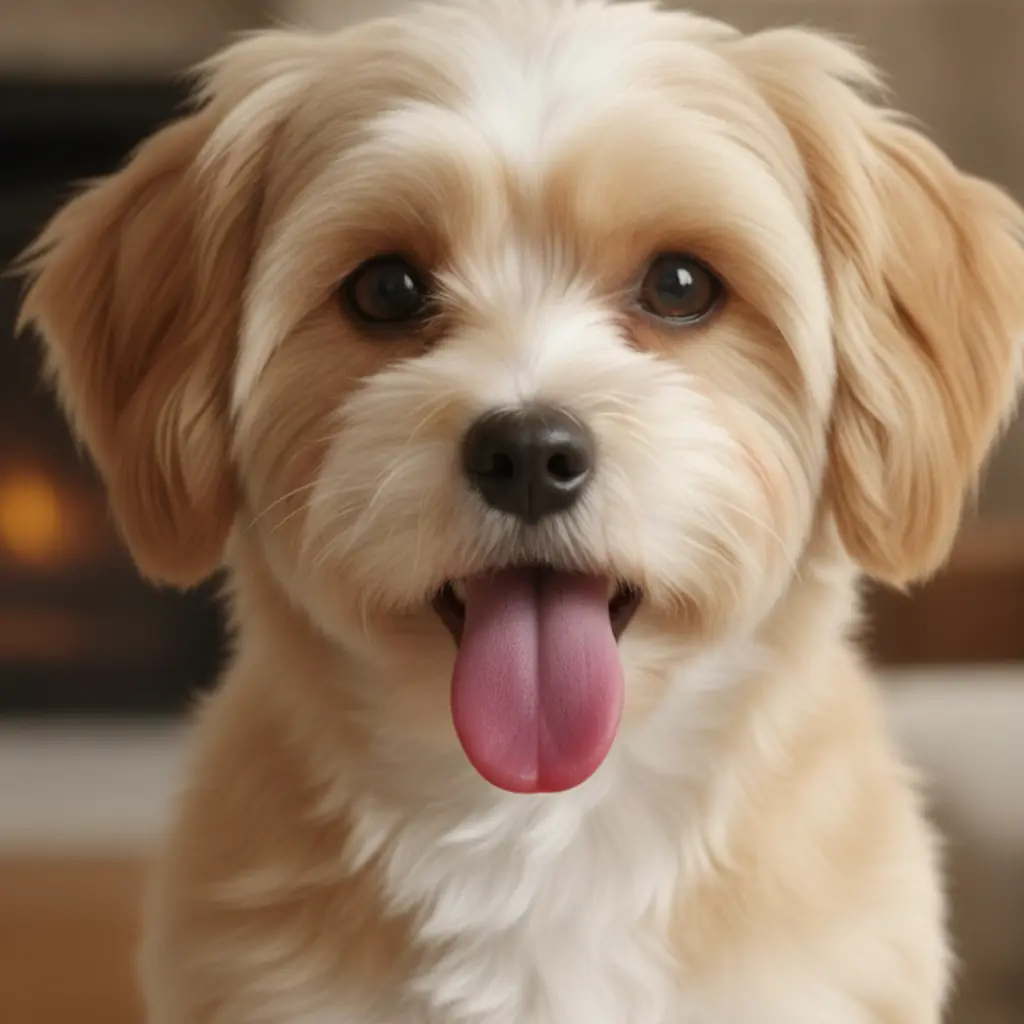
Heat panting is usually rhythmic, the tongue hangs loose and long, the corners of the mouth are soft, and it slows as the dog cools down. Stress panting is often faster, shallower, and starts without a temperature reason. The tongue may be flatter or more spatula-shaped, corners pulled back, mouth tight at the edges even as it hangs open. If a cool dog in a cool room is panting in a vet waiting room, assume stress first and look at the rest of the body.
Quick check
A dog in an air-conditioned vet lobby starts panting fast and shallow. Best read:
Pick an answer to see why.
Probably stressed, not hot. Offer distance and comfort.
CorrectYes. Heat is ruled out by the cool room.
Just thirsty.
Not quiteThirst does not usually cause that pattern.
Nothing to worry about.
Not quiteIt is a signal worth responding to.
Lesson 5
The relaxed mouth
A slightly open mouth with a loose jaw is the dog version of a soft smile.
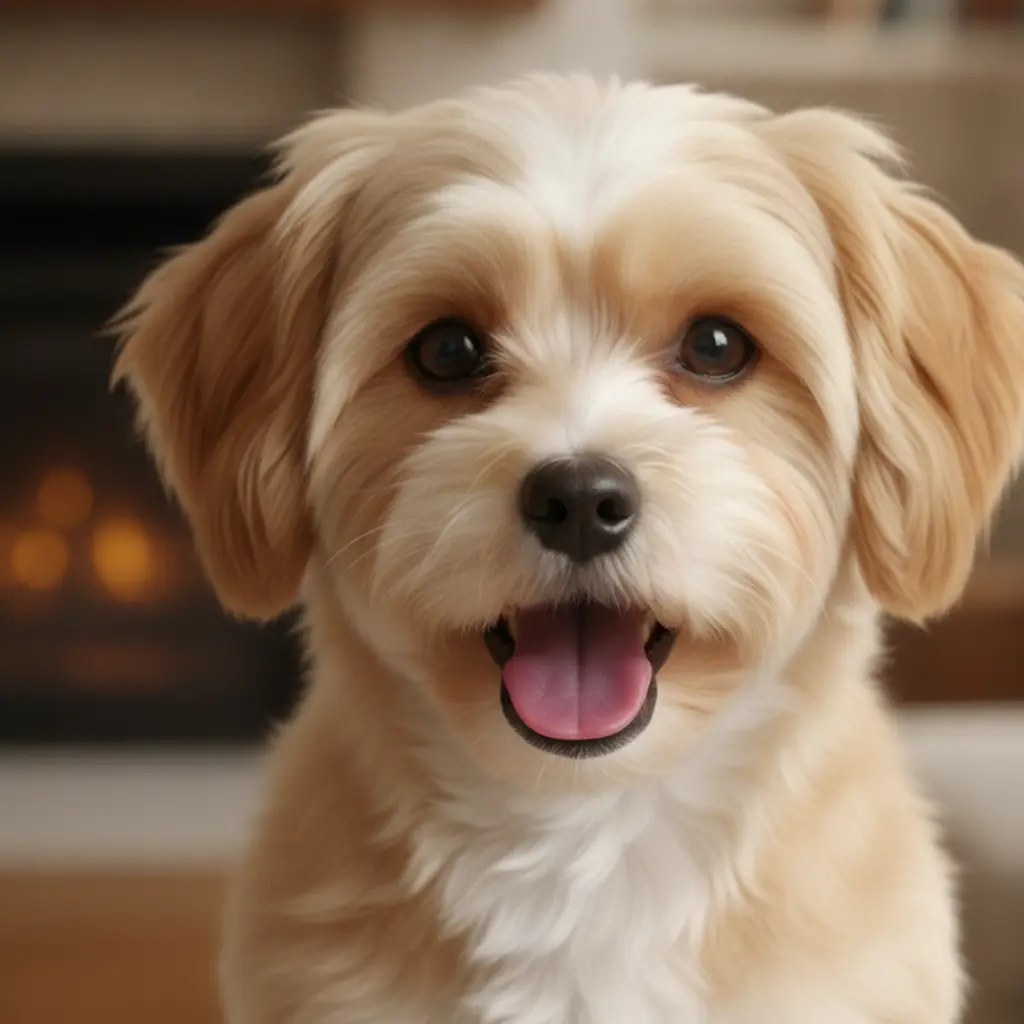
A relaxed mouth looks slightly parted, jaw loose, tongue resting or gently showing. Many people call this the "doggy smile". Matched with soft eyes and a neutral tail, it is one of the most reliable all-is-well signals. When a dog suddenly closes its mouth, especially in a social situation, that is a change to notice. Closed mouth plus a stare plus stillness is often the last moment before a growl or a lunge. A soft open mouth is your green light to keep doing what you were doing.
Quick check
Your dog's mouth has been loose and open. Then it snaps shut while looking at something. What does the shut mouth suggest?
Pick an answer to see why.
The dog just finished chewing.
Not quiteA sudden shut mouth in a social moment is usually a tension signal.
Rising tension. Check the rest of the body.
CorrectYes. Mouth closing is often the first step up the stress ladder.
Nothing at all.
Not quiteIt is almost always a signal worth reading.
See it on your own pet
Point Pawfect at your dog or cat and it picks out the tails, ears, eyes and postures from these guides, then plays them back as a playful caption you can keep.
Where this comes from
Dogish 101 is the short body-language course inside the Pawfect app. Its lessons are written in plain words and draw on published work including:
- Turid Rugaas, On Talking Terms with Dogs: Calming Signals
- Patricia McConnell, The Other End of the Leash
- Sophia Yin, Body language posters (drsophiayin.com)
- AVSAB, Position statements on canine behavior
- AKC and ASPCA, Public body-language articles
- Kendal Shepherd, The Canine Ladder of Aggression
- Fear Free Pets / Karen Pryor Academy, Applied behavior material
- Quaranta, Siniscalchi and Vallortigara, Asymmetric tail-wagging responses by dogs to different emotive stimuli (2007)
For serious or ongoing concerns, please consult a certified veterinary behaviorist. No online course replaces a qualified professional.
The illustrations are AI-generated artwork made for the Dogish 101 course.