Posture and weight
Where the dog places its weight tells you what it is about to do.
Lesson 1
The play bow
Front end down, rear end up, tail wagging. Universal dog for "let us play".
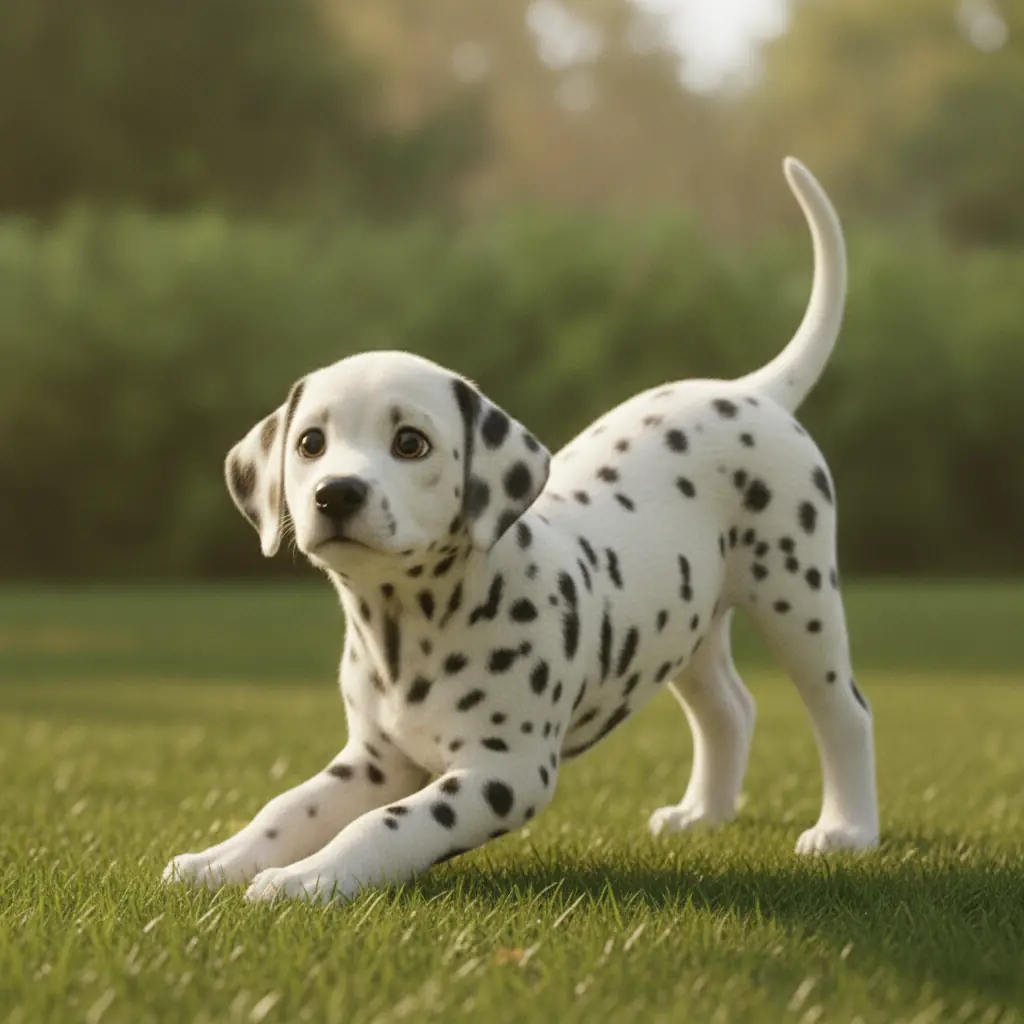
The play bow is one of the clearest invitations in canine body language. Elbows drop to the ground, rear stays up, tail wags loosely, mouth is usually open and soft. Dogs offer it to each other and to people, and sometimes mid-play to reset a game that got too rough. If your dog play-bows at another dog and the other dog responds with a bow back, relaxed body, or a quick chase, you are watching a healthy play session start. If the other dog freezes or turns away, the invitation was politely declined.
Quick check
Your dog offers a play bow to a new dog. The new dog turns its head away and sniffs the ground. That means:
Pick an answer to see why.
Yes, let us play, full speed ahead.
Not quiteThat response is a polite decline, not an acceptance.
The other dog is saying, not right now.
CorrectYes. Turning away and ground-sniffing are calming signals.
The other dog is hungry.
Not quiteIt is a social signal, not a food cue.
Lesson 2
Forward lean
When weight shifts to the front paws, the dog is already moving toward something.
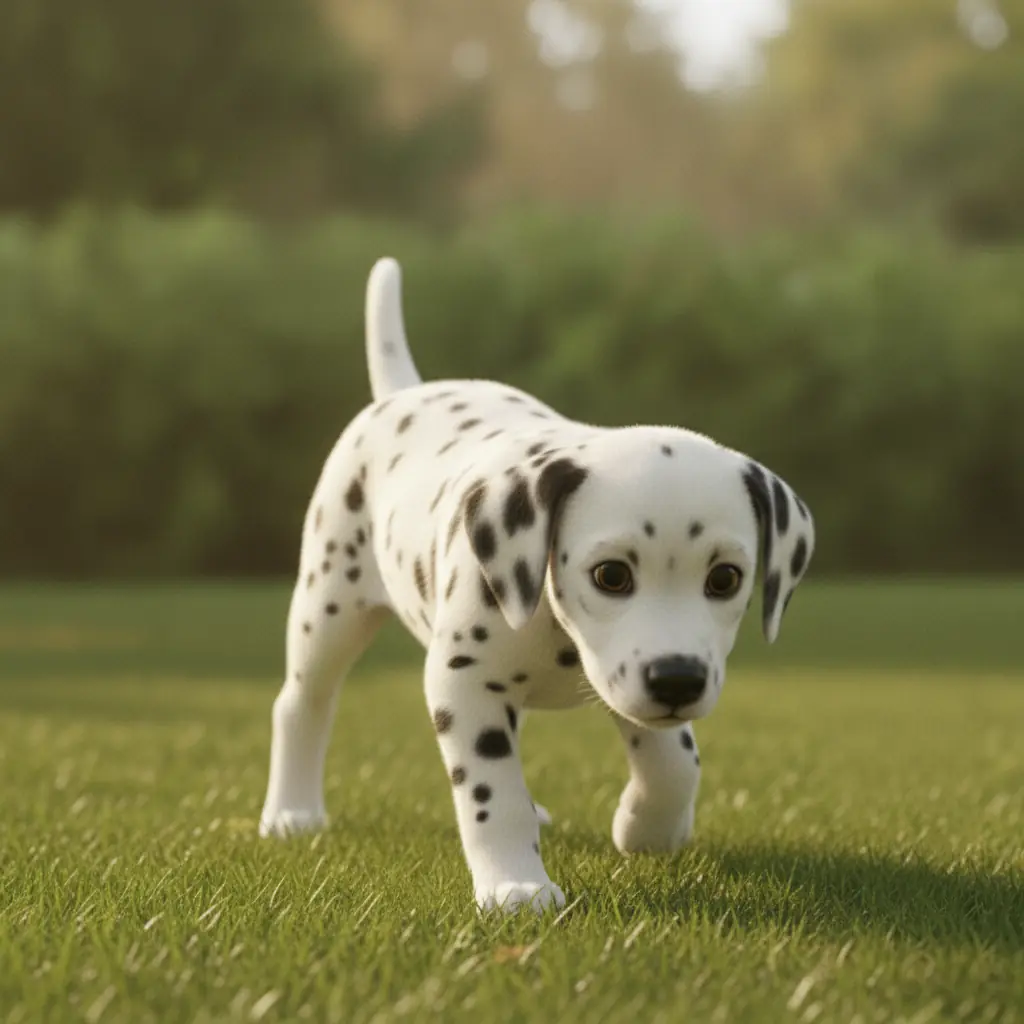
A forward-leaning dog has its weight over its front paws, chest pushed ahead of its hips, and sometimes hackles starting to lift. The message is commitment: "I am going toward this thing". Combined with a loose body and wagging tail, forward lean can simply mean, "I want to greet you". Combined with a stiff body, hard stare, and closed mouth, it means, "I am preparing to confront this thing". Same posture, opposite messages, decided by the rest of the body.
Quick check
A dog is leaning forward, stiff-bodied, with a hard stare and closed mouth. You should:
Pick an answer to see why.
Give space immediately.
CorrectYes. That cluster is a clear pre-charge signal.
Reach for the collar.
Not quiteReaching in escalates. Back off first.
Shout at the dog.
Not quiteShouting rarely helps and can trigger a lunge.
Lesson 3
Weight shifted back
When a dog shifts its weight backward, it is making room to retreat.
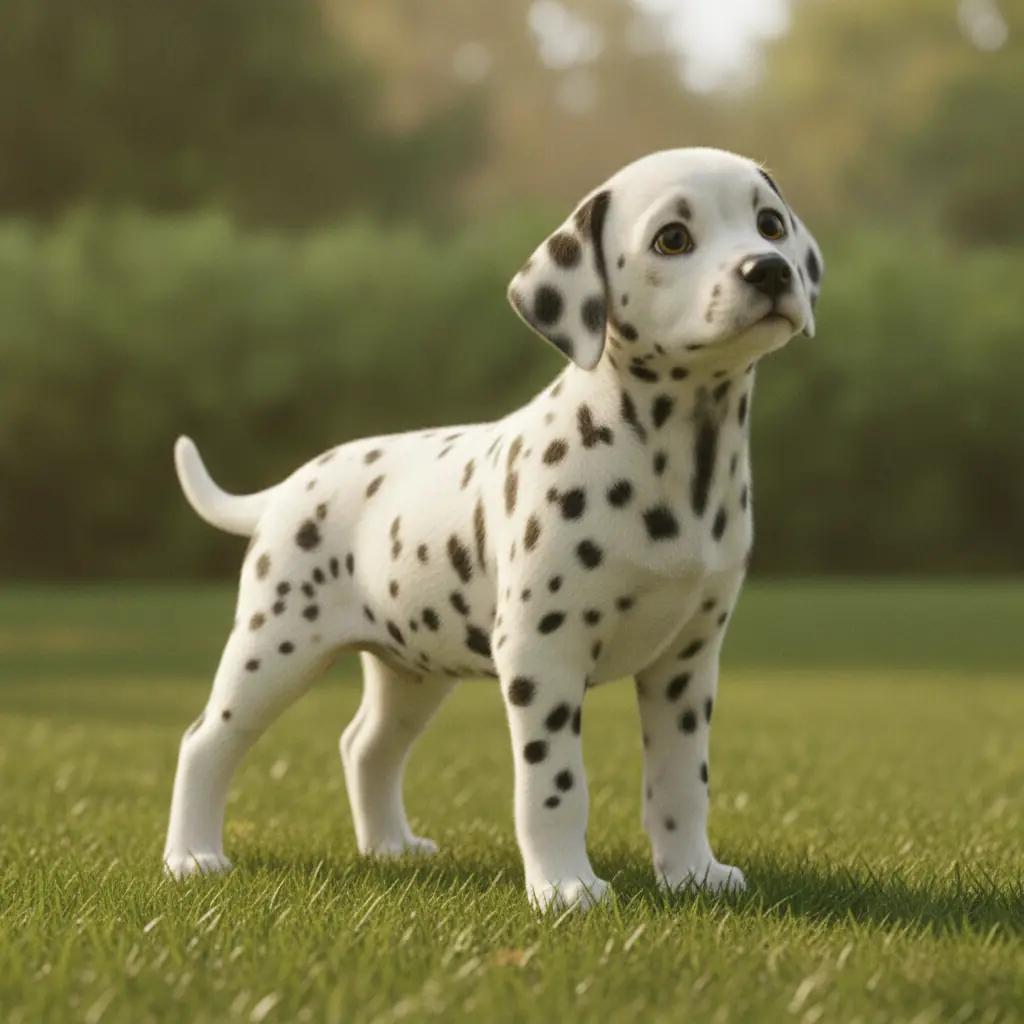
Dogs do not always leave when they are uncomfortable. Sometimes the first step toward retreat is a subtle weight shift over the back paws, chest pulled slightly back, head tilted up and away. It is the opposite of a forward lean. Watch for it in greetings that feel forced, during a handling attempt the dog does not enjoy, or when another dog crowds too close. If you see the weight go back, give the dog the distance it is already asking for with its body.
Quick check
During petting, your friend's dog shifts its weight backward and leans its head away. Best move:
Pick an answer to see why.
Stop petting and see if the dog invites more contact.
CorrectYes. Weight back is a polite "please pause".
Pet harder to build trust.
Not quiteOverriding a no damages trust, not builds it.
Pick the dog up to reassure it.
Not quitePicking up a discomforted dog usually raises stress.
Lesson 4
Freezing
Stillness is never random. A dog that stops moving is deciding what to do next.
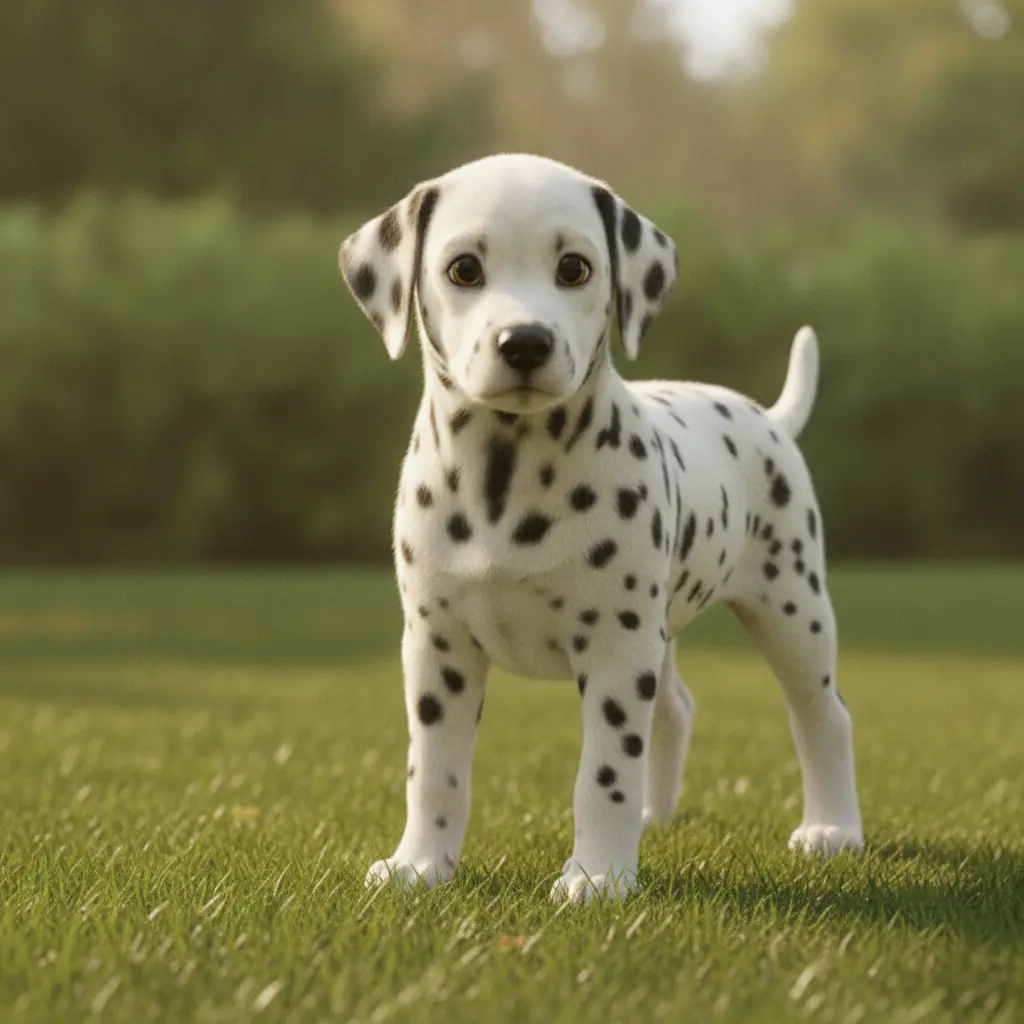
Freezing is one of the most under-read signals in dog behavior. A dog mid-chew, mid-wag, or mid-step suddenly goes still, muscles tight, breathing shallow. It is the pause that separates a warning from an action. It often comes between a growl and a bite, or between the first eye contact and a lunge. If you see a freeze, treat it as a hard stop. Do not move toward the dog, do not reach in, do not raise your voice. Give time and space.
Quick check
A dog chewing a bone freezes when you walk by. You should:
Pick an answer to see why.
Grab the bone to show who is boss.
Not quiteThat is a fast path to a bite.
Back off calmly and give the dog space.
CorrectYes. Freeze over a resource is a serious warning.
Reach for the dog's collar.
Not quiteReaching in during a freeze is high-risk.
Lesson 5
Curving approach
Polite dogs greet on a curve, not head-on. Humans often miss this.
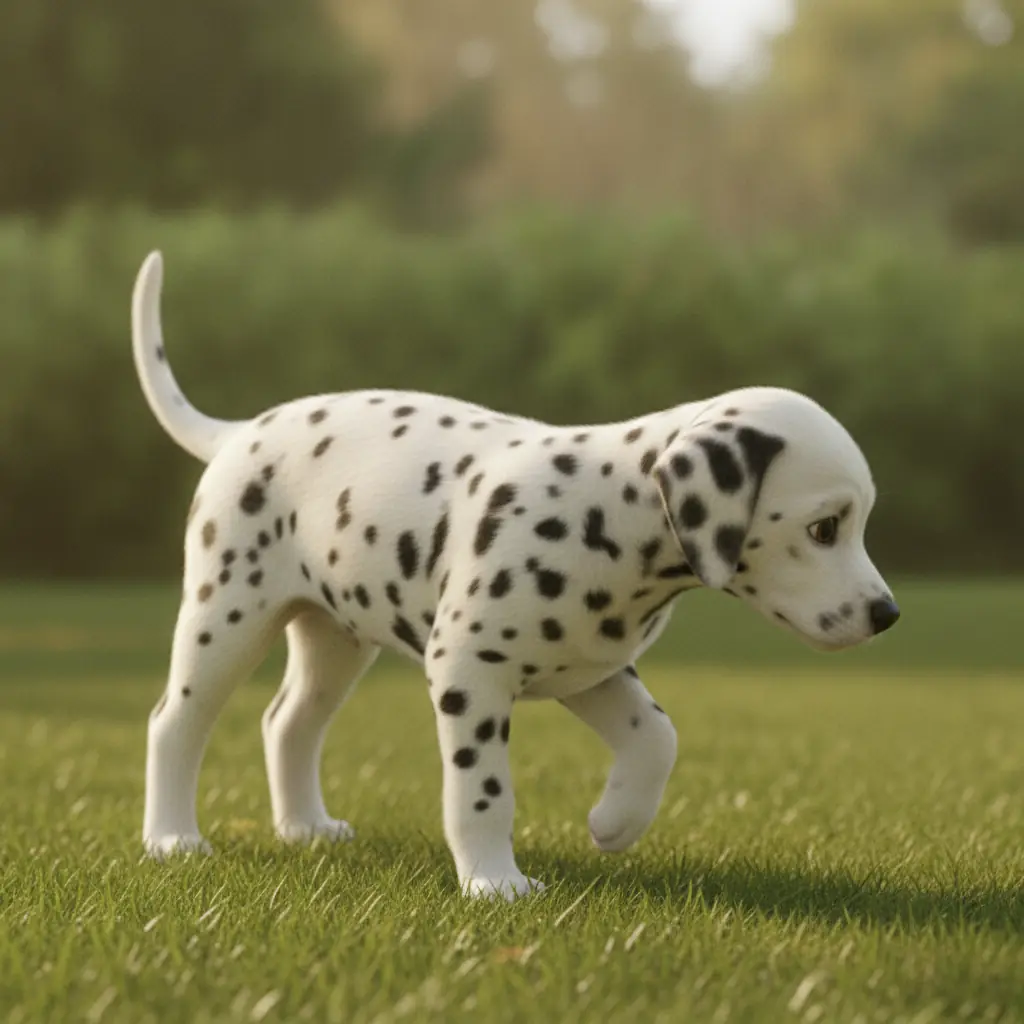
Well-socialised dogs rarely walk straight at each other. Instead they arc, approach at an angle, and sniff in a sideways posture. A straight-on, head-to-head approach is impolite in dog culture and can trigger defensive responses. When you meet a new dog, copy the curve. Approach from the side, avoid looming, and let the dog close the last bit of distance itself. This small change dramatically improves how most dogs meet you.
Quick check
Which approach is most polite to an unfamiliar dog?
Pick an answer to see why.
Walk straight at the dog and look it in the eye.
Not quiteHead-on with eye contact is confrontational in dog culture.
Approach from the side on a curve and avoid direct eye contact.
CorrectYes. That is the canine version of polite.
Run toward the dog with arms out.
Not quiteThat pattern scares most dogs.
See it on your own pet
Point Pawfect at your dog or cat and it picks out the tails, ears, eyes and postures from these guides, then plays them back as a playful caption you can keep.
Where this comes from
Dogish 101 is the short body-language course inside the Pawfect app. Its lessons are written in plain words and draw on published work including:
- Turid Rugaas, On Talking Terms with Dogs: Calming Signals
- Patricia McConnell, The Other End of the Leash
- Sophia Yin, Body language posters (drsophiayin.com)
- AVSAB, Position statements on canine behavior
- AKC and ASPCA, Public body-language articles
- Kendal Shepherd, The Canine Ladder of Aggression
- Fear Free Pets / Karen Pryor Academy, Applied behavior material
- Quaranta, Siniscalchi and Vallortigara, Asymmetric tail-wagging responses by dogs to different emotive stimuli (2007)
For serious or ongoing concerns, please consult a certified veterinary behaviorist. No online course replaces a qualified professional.
The illustrations are AI-generated artwork made for the Dogish 101 course.